


This post may contain affiliate links.
Singers, we’ve all been there: we spend a day at Disneyland screaming on all of the rides, or have a marathon vocal practice session, or give it our all (and then some) in a performance, and end up hoarse. So we chug a glass of water and try to sleep it off, but find our voice in the same state the next morning, maybe with even more strained vocal cord symptoms. Then comes the panic!
I have to sing again tonight; what if this doesn’t go away?
How am I going to get my voice back to normal?
Did I injure my voice? Is this permanent? How long will this hoarseness last?
I know that we’ve all been there – I have, too – but before you read any further, I’m here to tell you: don’t panic. We can easily jump to the worst possible scenario (yes, we will discuss the vocal nodes boogieman in this post), but the likelihood is relatively small that your voice is actually injured. It is more likely to be strained vocal cords from things like overuse, illness, or misuse.
So let’s talk about it. In this post, I will cover how to recognize strained vocal cord symptoms vs serious vocal damage, how to move forward when it happens, and how to prevent it happening in the first place.
Table of Contents
What Are Strained Vocal Cords?
To start, let’s talk about what vocal cords are:
Vocal cords are thin sheets of muscle and tissue that are stretched over the larynx and attached to the surrounding muscle. The muscles in and around them shift and move to allow the folds to vibrate in different frequencies as air passes through – this is how we achieve different pitches with our voice! Small muscular shifts control pitch, the amount of air passing through the folds, and the rate and force at which the folds vibrate against each other (this is really important information for when we talk abut nodes.)
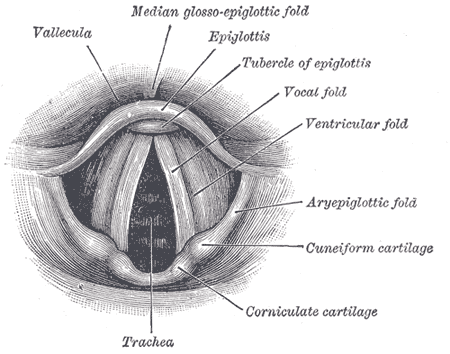
For all intents and purpose in talking about vocal strain, the voice (or how we control it) is comprised of lots small muscles needing to make precise shifts, much like other parts of the body. In the same way that you can strain your calf, one or more of the muscles in your vocal anatomy can strain from overuse or misuse.
Strained Vocal Cord Symptoms
How do you know if you have strained your vocal cords? Symptoms may include:
- Hoarseness or raspy voice
- Voice fatigue after short use
- Reduced vocal range (especially at the edges of your range; high or low)
- Pain or burning when speaking/singing
- Frequent need to clear the throat
- Feeling of a “lump” in the throat
- Breathiness
- Cracking or voice breaks
Remember that vocal strain can be caused by many things, such as illness, overuse, or misuse of the voice. When this is the case, these symptoms should clear in a short time (depending on the cause and how you approach healing). These symptoms do not necessarily mean vocal damage. They just mean you need to take steps to heal and rest.
Early Signs of Vocal Damage
While the symptoms above aren’t cause for alarm on their own, there are some things to be on the lookout for:
1. Hoarseness That Lasts More Than 2 Weeks
Whether your hoarseness was instigated by an illness, a big performance, or a fun day at an amusement park, it should resolve itself by around 2 weeks. If not, there could be an allergy problem or an early sign of vocal damage – either warrants a trip to the doctor.
2. Loss of Notes
The most common symptom of vocal damage as reported by singers is the complete loss of notes. Here’s the thing, though: it’s not always on the edges of your range. Most of the time, it happens over passagios or register shifts. This can either be a symptom of inflammation in the vocal cords or the start of a node.
3. Chronic Vocal Fatigue
If you consistently and effectively warm up your voice, practice good technique, and stay hydrated and suddenly need to put out more effort than you usually do, that can mark the beginning of vocal damage.
4. Pain While Singing and/or Talking
Pain is never something to ignore. Pain can, and often does, be a sign of poor technique, which will lead to vocal injury down the road. If you are feeling pain while singing and talking, do not pass go, do not collect $200. Speak to your teacher or your doctor about it.
5. Persistent Throat Clearing or Cough
The urge to clear your throat or cough is the body’s way of clearing gunk off of the vocal cords or out of the lungs. If you feel that persistent urge, that is a good indicator that you have excess mucus on your vocal cords, which can be caused by a couple of different things: illness, allergy response, or injury – with the development of nodes, the body will produce more mucus to protect and lubricate the vocal folds.
What you need to know about Nodes on Vocal Cords
The big, bad, singing boogieman: Nodes. Let’s talk about them.
What are Vocal Nodes?
At their most fundamental, nodes are callouses on your vocal cords. Our vocal cords are designed to vibrate against one another – that’s how they create sound. When they are pressed together roughly or in the wrong way, they can develop callouses; just how guitar players’ fingers develop callouses to protect them from the rough strings.
Symptoms of Nodes on Vocal Cords
Let me be very clear that no one can diagnose you with vocal nodes other than a doctor doing a visual exam, and many symptoms of vocal nodes are also symptoms of the start of vocal strain. If you experience any of these symptoms, please talk to your doctor before self-diagnosis.
- Breathiness
- Rough, strained quality
- Double tone (diplophonia)
- Inconsistent pitch
- Voice that worsens with use
- Missing notes
This is the biggest and most common symptom of nodes – singers will feel like their voice just.. skips notes, and they never get them back. Because of how the vocal cords work, the callous will impede just a couple of notes with the rest of the range being fine.

What causes vocal nodes?
There really are only two causes of vocal nodes, and those are health issues and misuse of the voice. Poor vocal technique while singing (or talking) is the one that most people are concerned with, so let me put your mind at ease: one instance of poor technique is not enough to develop nodes. Just like callouses other places on our bodies, nodes develop under sustained irritation and pressure.
Strain vs. Vocal Nodules: How to Tell the Difference
| Symptom | Vocal Strain | Vocal Nodules |
|---|---|---|
| Duration | Temporary | Persistent |
| Does rest help? | Usually | Not fully |
| Voice quality | Tired/raspy | Breathier, unstable |
| Diagnosis | Self | Medical Professional |
| Is medical treatment needed? | Rarely | Often voice therapy |
When Should You See a Doctor?
You should see a doctor if you have…
- Hoarseness lasting 2+ weeks
- Complete voice loss
- Pain with speaking
- History of smoking
Vocal nodes are less common than people think, but they are a big deal. It is better to be safe than sorry!
How to Recover From Vocal Strain & Prevent Vocal Injury
Like I said in the beginning of the post, every single one of us singers have experienced vocal strain at some point in our lives – it’s just a part of being a singer!
However, ignored vocal strain is a huge cause of vocal injury. Treat vocal strain seriously, and you will drastically decrease your chances of injury. Here are some best practices to help you rest and recover well:
1. Vocal Rest
There is this common misconception that vocal rest means that you need to be completely silent for days on end – that’s just not true. Take time off from singing (yes, that may mean having to pull out of performances) and when you have to speak, pitch your voice a little bit higher (just a step or two) than normal. This will keep pressure off the cords and encourage good breath support.
2. Hydration & Steam
Drink water, drink water, drink water – even more than when you’re well. Good hydration plus steam (a good hot shower works for this, or you can grab a nebulizer like this one to save on electricity) not only gives your muscles what they need to recover, but they also thin mucous membranes, which helps them clear faster (a wonderful thing when you’re sick!)
Stay away from caffeine, as it is a diuretic (it causes water to pass through the body instead of being absorbed) and can contribute to dehydration.
3. Reduce Throat Clearing
On the topic of mucus, throat clearing is a rough process on the vocal cords. To clear them, they “slap” together and pull apart quickly, in a rougher motion than normal phonation. Instead, swallowing can gently clear mucus, and staying hydrated will make that process easier.
4. Address Acid Reflux
A little-known cause of vocal strain is, in fact, acid reflux. The acid inflames the muscles and tissues of the vocal cords, which can lead to difficulties using them. If you suffer from acid reflux, take what steps you can to reduce it.
Want a more in-depth guide on hydration and mucus production in the voice? Click here for some more specific voice-care pointers to help reduce inflammation and care for your voice even when sick.
Preventing Vocal Damage Long-Term
As we covered, your voice is made out of muscles and tissue and the best way to prevent vocal damage is to make sure those muscles are in shape and taken care of (just like all of your other muscles!) Here’s how you keep your voice in good shape and give it what it needs to function:
- General Nutrition & Hydration.
Dehydration is a huge contributor to vocal strain and damage. Staying on top of your hydration will not only help your voice recover faster, but it will make it strain less on a whole. - Do your exercises.
Have you ever tried to workout a cold (non-warmed-up) muscle? It is easy to overwork a cold muscle, and much harder to strain a warm one. That’s why athletes warm up before training; singers are no different. Here are some great resources I’ve compiled that I use with all my students:- Body Basics: Vocal Warmups to Keep your Instrument Healthy (free guide emailed to you)
- My Favorite Vocal Warmups (blog post) – Vocal warmups suitable for all experience levels; beginners to advanced. I still use these!
- Build an Effective Vocal Routine: A Guide (blog post)
- Learn how to use your voice healthily.
The “umbrella” of healthy singing covers so much – breath support, body positioning, resonance placement, mouth position, and more – and it can be difficult to do it all on your own. If you can swing at least a lesson or two with a (qualified) voice teacher or vocal coach, they can make a world of difference in hearing where your weaknesses might be and giving you ways to strengthen them.
We covered a lot in this post: Strained vocal cord symptoms, signs of vocal damage, and what to do if you start noticing vocal strain.
I want to reiterate that most strained vocal cord symptoms resolve quickly with moderate-intensity care, and that should be your first line of defense. If they do not resolve with home care, a call to the doctor is warranted, but panic is not! If you catch them early, nodes can be reversed with vocal therapy by a professional.
The last thing I’ll leave you with is this: an ounce of prevention is worth a pound of cure. Caring for your voice and keeping it healthy is the best way to reduce the risk of injury, and is MUCH easier than the “cure” process. If you want to chat about healthy singing, exercises, or have any questions, my inbox is always open.